Llifeiriad
Rhodri Owen
Mae’r Afon Conwy a’i llednentydd niferus yn canghennu drwy gymunedau sydd a’u bodolaeth yn deillio o’r dŵr. Dwi’n chwilio am y cysylltiad pellgyrhaeddol, dyfn yma efo lle, ac efo’r dŵr sy’n rhedeg drwy’r tir.
Afon Conwy and its numerous tributaries stretch their branches through communities who owe their existence to these waters. I’m looking for that far-reaching, deep connection to place, and to the water that flows through it.
Sgyrsiau efo Eidda, Llugwy, Euarth a Serw ar lannau eu dyfroedd cyd-enwol.
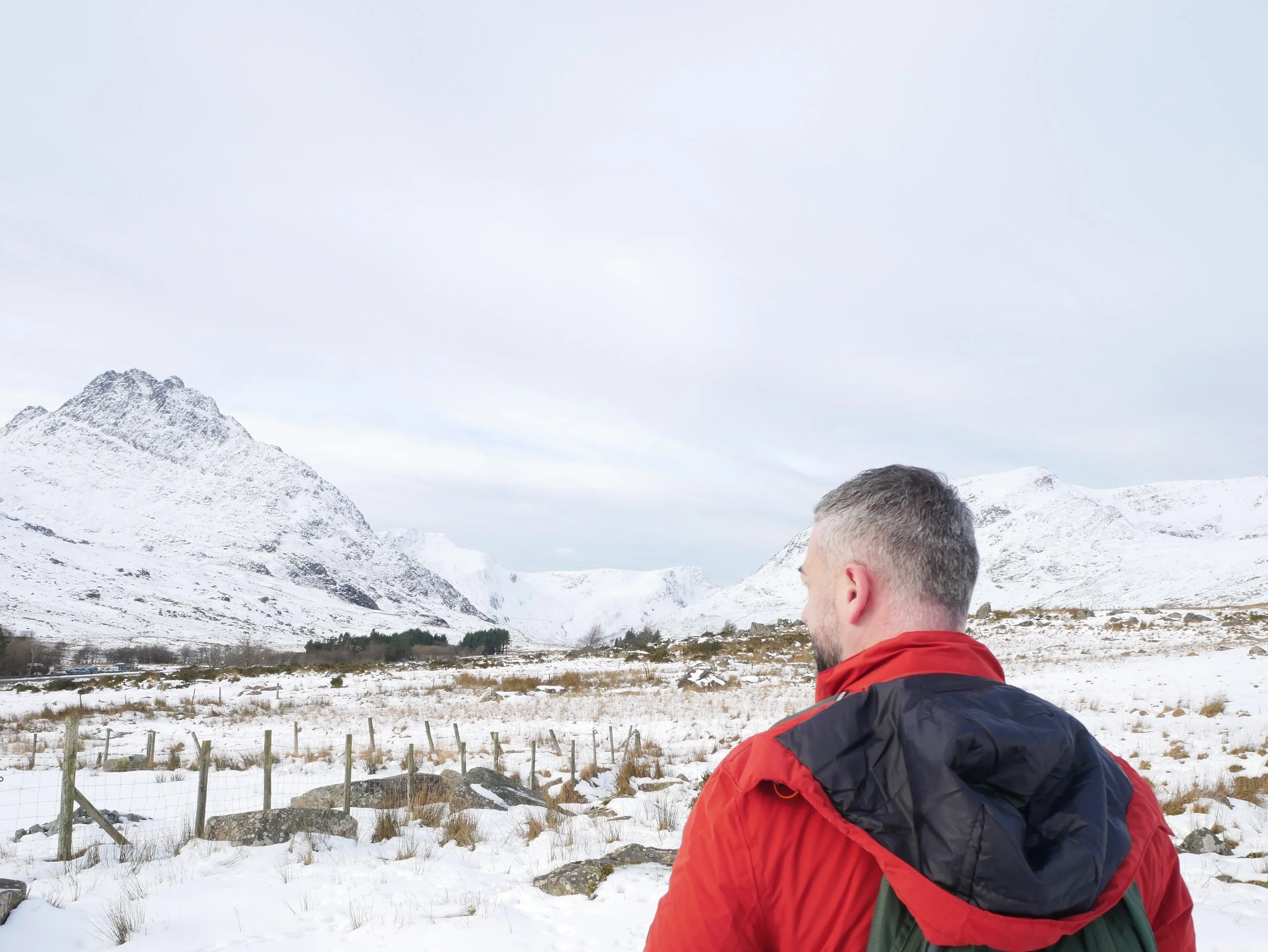
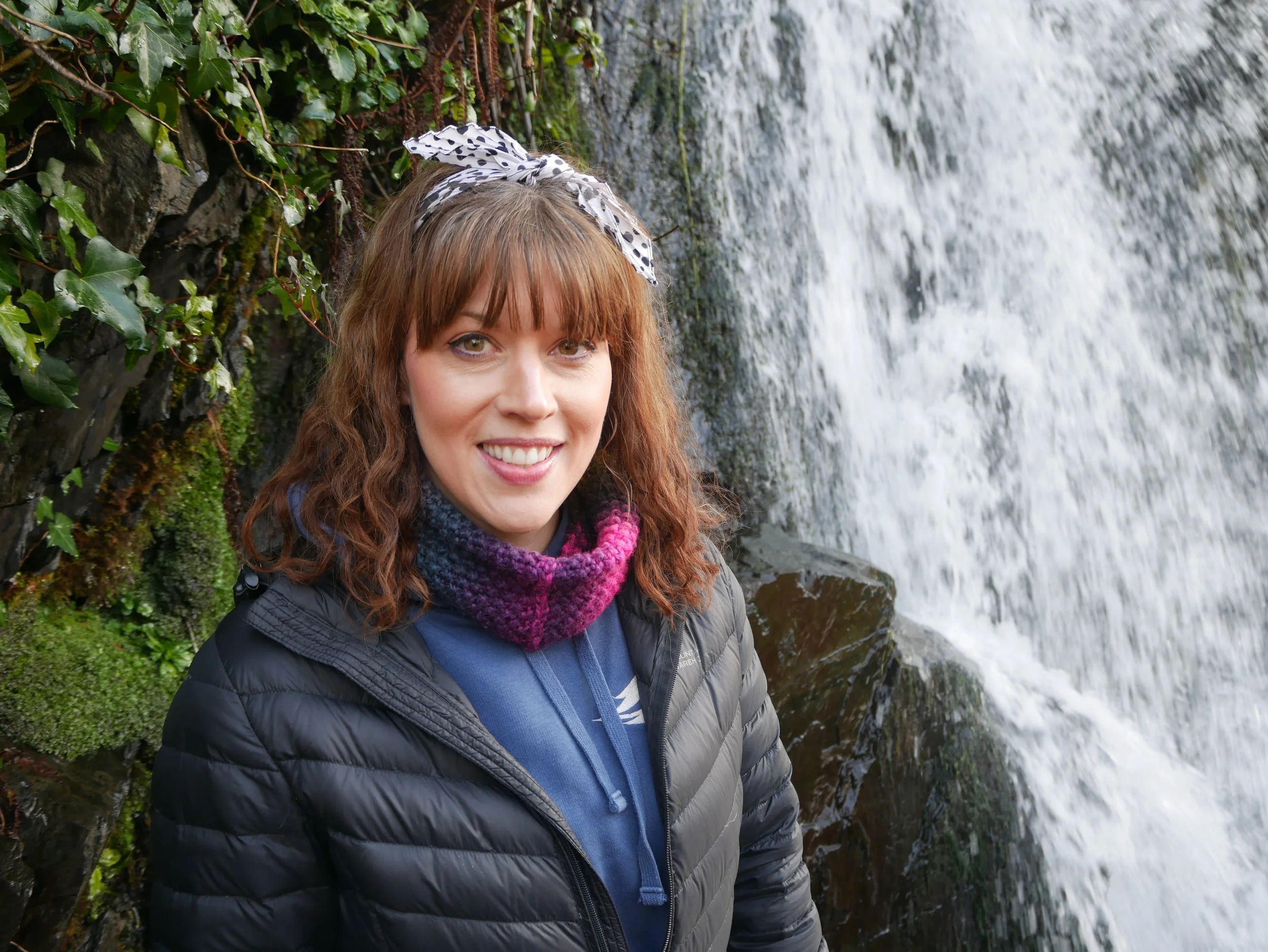
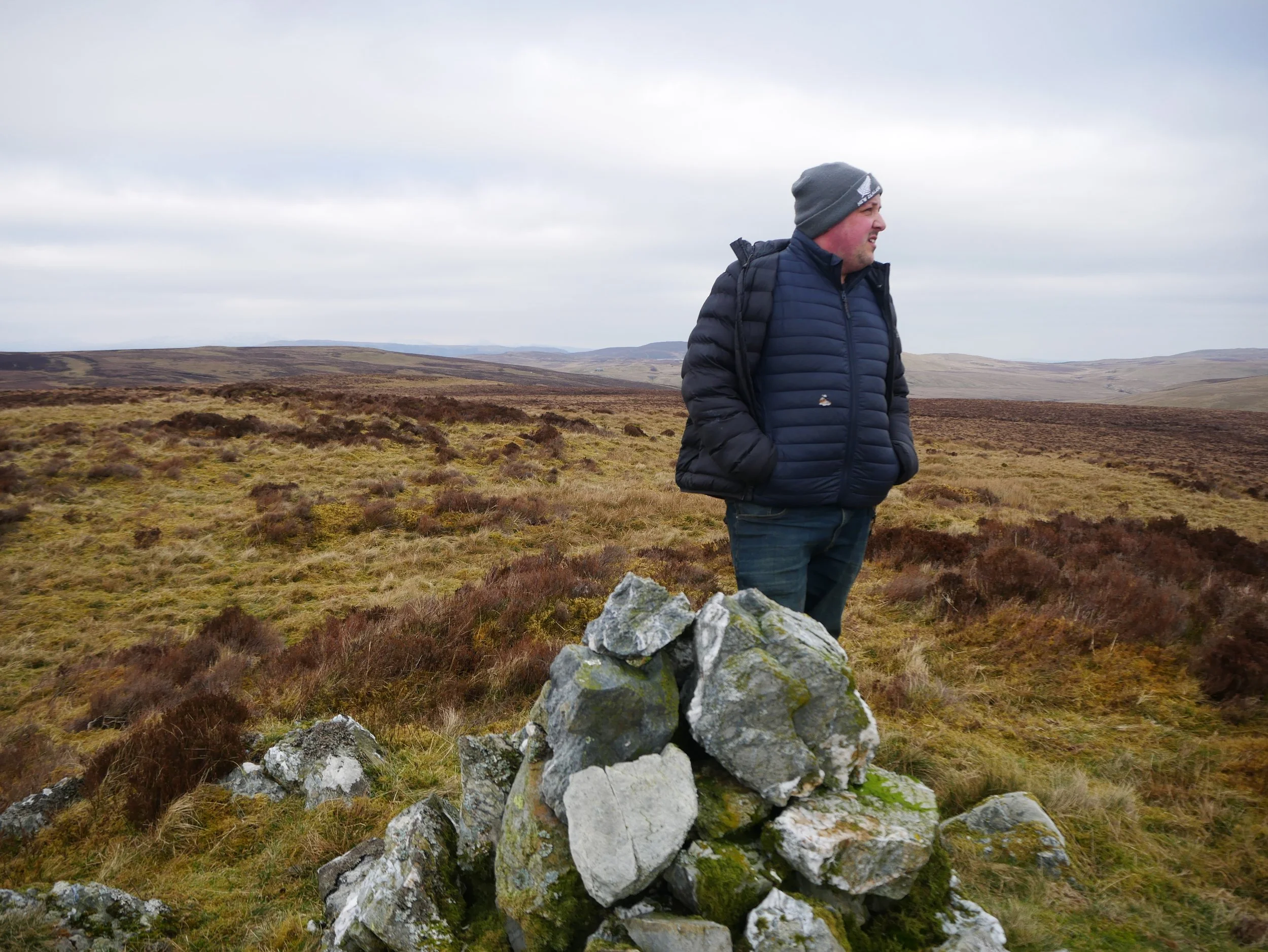
Conversations with Eidda, Llugwy, Euarth and Serw on the banks of their watery namesakes.
Sgwrs am bysgota a’r Afonydd Lledr a ‘Stumiau, efo’r diweddar Eurwyn Roberts.
A conversation about fishing, Afon Lledr and Afon ‘Stumiau, with the late Eurwyn Roberts.
Cawio’r Bajar Goch efo’r diweddar Eurwyn Roberts, Pencafnau, Dolwyddelan.
Tying the “Bajar Goch” Red Badger fishing lure with the late Eurwyn Roberts, Pencafnau, Dolwyddelan.
Cân Afon Lledr ar ffurf ailgread protest o 1972. Efo Ysgol Dolwyddelan.
Afon Lledr song based on a protest from 1972. With Ysgol Dolwyddelan.

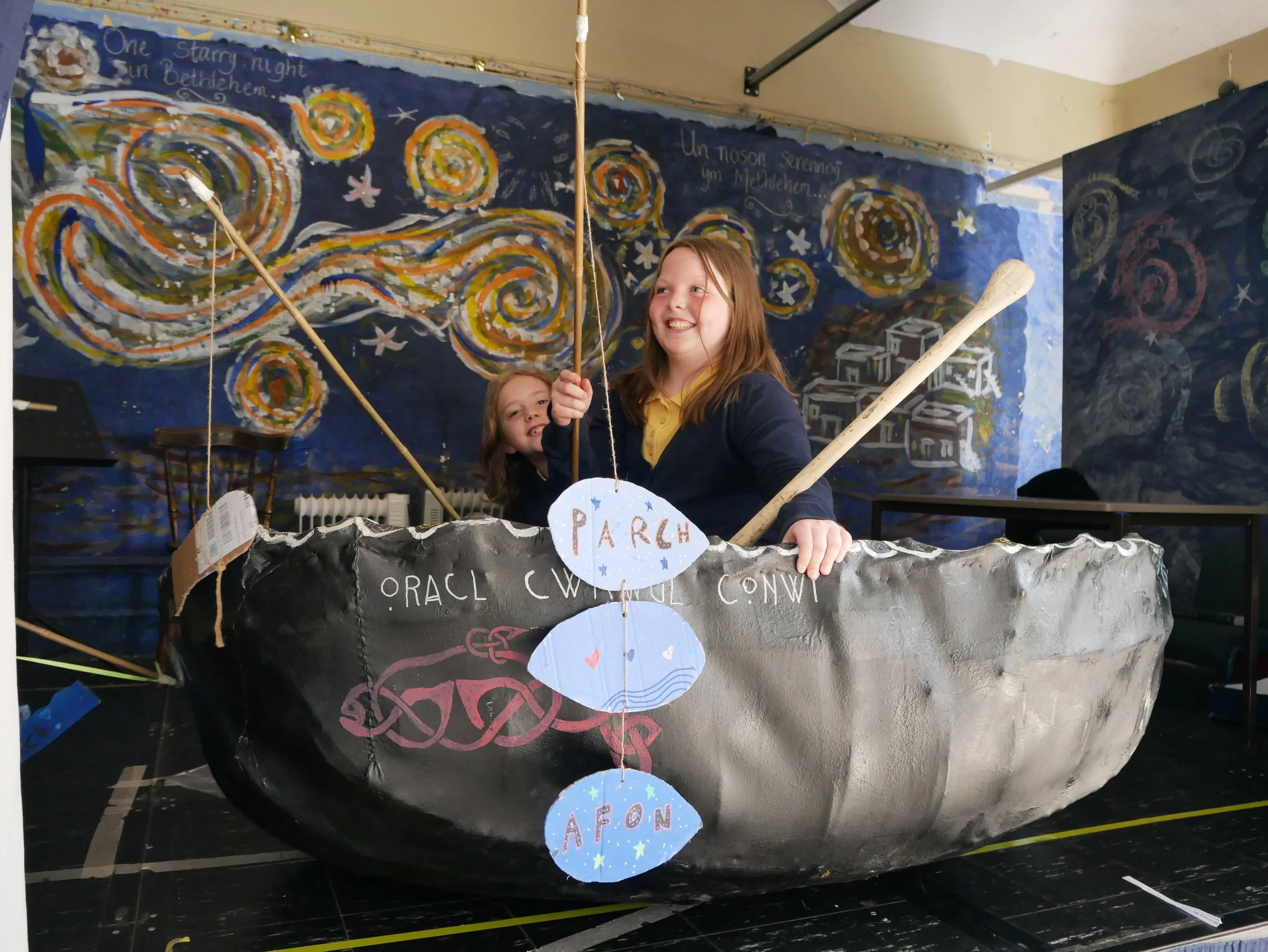
Afon Lledr, Dolwyddelan.
Yn 1972, cynhaliodd Cymdeithas Yr Iaith Gymraeg brotest ar lan yr Afon Lledr yn Nolwyddelan yn gwrthwynebu prynniant hawliau pysgota a rhannau o lan yr afon gan y Prince Albert Fishing Association o Macclesfield. Y ddadl oedd bod clybiau pysgota mawr Lloegr yn medru fforddio ysgwyddo’r gost ar gyfer trwyddedau rhad, gan brisio pysgotwyr lleol allan o bysgota ar eu hafon leol.
Pwrpas y brotest oedd codi sylw at wanhau diwylliant lleol – yn yr achos yma pysgota – a hynny yn ei dro yn arwain at wanhau Yr Iaith ac o ganlyniad y gymdeithas sydd yn ei siarad. Roedd yn ymgyrch wahanol i’r arferol gan CYI am nad oedd yn ymgymryd yn uningyrchol â mater ieithyddol megis ymgyrchoedd ffurflenni swyddogol yn Y Gymraeg neu arwyddion dwyieithog, er engraifft.
Criw bach oedd yn rhan o’r protestio, a daethant i Ddolwyddelan efo’r bwriad o dresmasu ar dîr y Gymdeithas efo gwialenau o frigau a ffyn bambŵ. Cafodd y brotest beth sylw yn y Wasg ar y pryd gan gynnwys ar Newyddion y BBC ar y teledu – mae’n aneglur os aethpwyd ymlaen i ailadrodd y syniad ar afonydd eraill yng Nghymru.
54 o flynyddoedd yn ddiweddarach mae llawer llai o bysgod yn yr Afon Lledr nac oedd yna yn 1972, a nifer aelodau’r Gymdeithas Bysgota leol hefyd bellach yn gymharol isel.
Os ydi hawl mynediad at afon i bysgota yn medru effeithio ar ddiwylliant a iaith pentre ac ardal, oni fyddai’n wir dweud yr un fath am iechyd yr afonydd yno hefyd?
Ydi llygru afonydd fel y Lledr, ac eraill yn Nyffryn Conwy yn effeithio’n uniongyrchol ar ddiwylliant, arferiadau cynhenid ac ar iaith fel ag y mae yn effeithio ar natur?
“Collective amnesia” yw'r term a ddefnyddir pan mae’r genhedlaeth bresennol yn arfer efo be sydd ganddynt, a newidiadau fesul ‘chydig o un oes i’r llall ddim yn cael eu sylwi arnynt– mae hyn yn wir am newid mewn natur, fel ag y mae am ddiwylliant ag iaith. Hynny yw, mae’n hawdd arfer efo niferoedd llai o bysgod mewn afon os nad oes côf o doraeth ohonynt yno yn y lle cyntaf.
Rhannwyd fideo ar facebook yn ddiweddar o garffosiaeth yn cael ei arllwys i mewn i’r Afon Conwy wrth y maes parcio ger Glasdir yn Llanrwst. Cododd hyn wrychyn llawer, a daeth galwad gan nifer i weithredu a chodi eu llais yn erbyn y fath anfadwaith gyda tua 45,000 (ar adeg sgwennu hwn) yn arwyddo deiseb i ymchwilio mewn i’r digwyddiad.
Y gwir amdani wrth gwrs yw mai dim ond un engraifft a ddigwyddodd gael ei recordio oedd hon, heb son am sawl achos arall sydd wedi bod, ac a ddaw yn y dyfodol – yn Nyffryn Conwy ac yn genedlaethol.
Eto ar facebook, cafwyd sgwrs debyg ar grŵp Dolwyddelan, sy’n dangos bod pobol yn poeni am iechyd yr afonydd. Rhaid cofio bod unrhyw beth sy’n mynd mewn i’r afon mewn un lle yn medru effeithio’r dyfroedd i fynu ac i lawr yr afon, gan gynnwys ei llednentydd a’i llynoedd – ei natur, a’i phobl.
Mae Gofod Glas yn edrych ar berthynas pobl â dŵr croyw yn nalgylch yr Afon Conwy a mae Dolwyddelan i weld yn le unigryw yn hyn o beth oherwydd perthynas arbennig y lle â’r Afon Lledr.
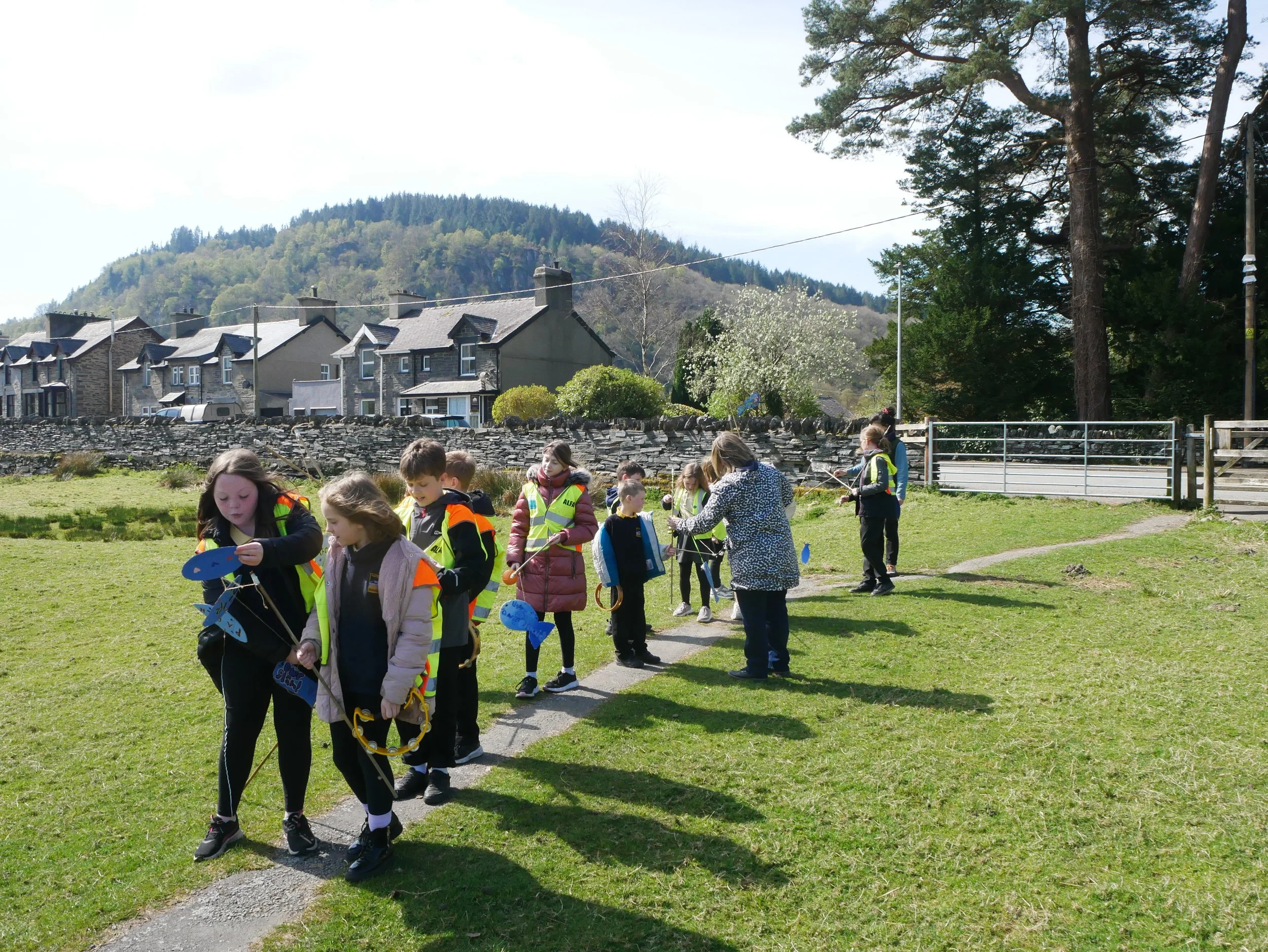
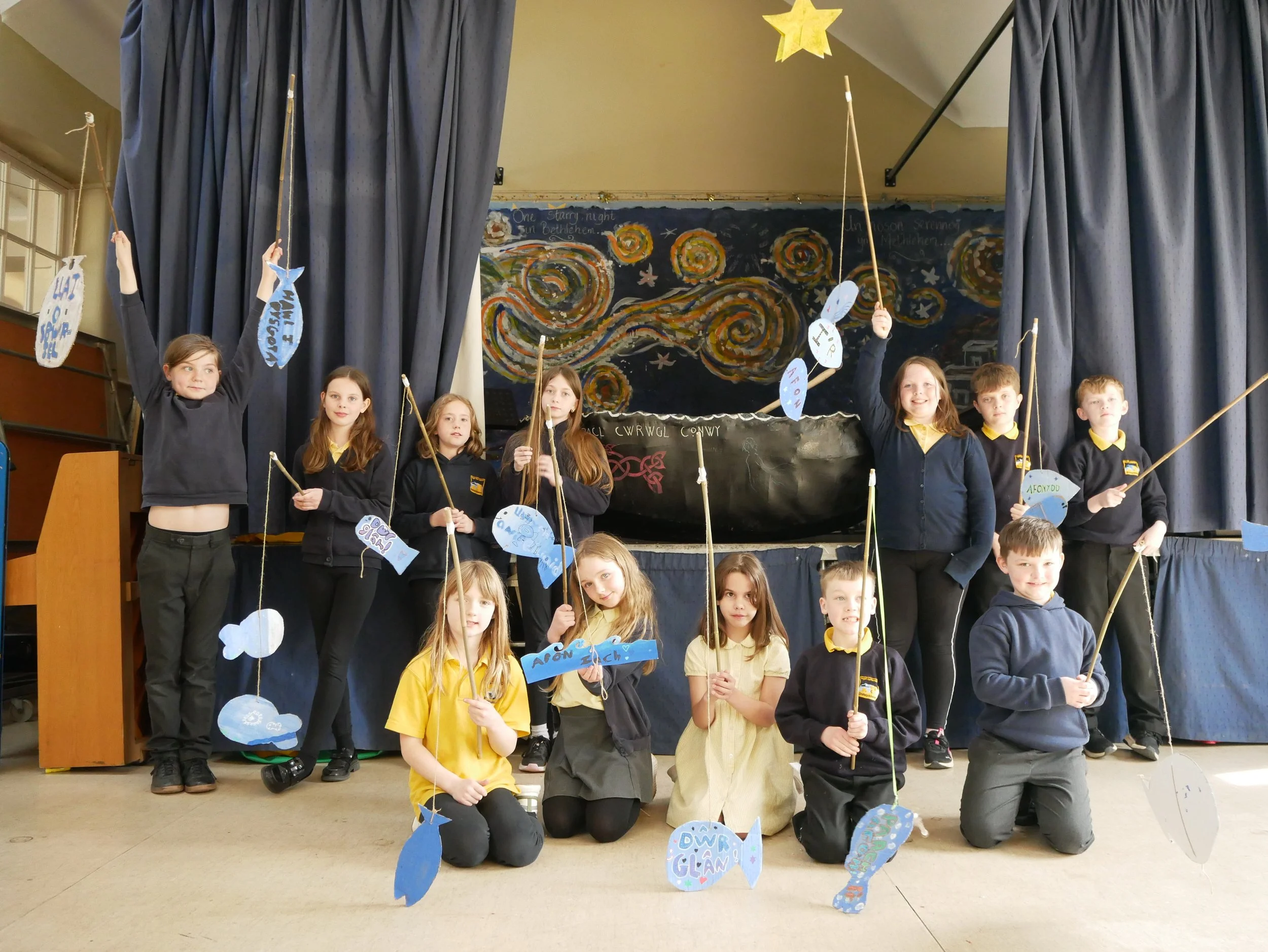
Yn mis Ebrill eleni, aethpwyd ati i sgwennu a recordio Cân Afon Lledr efo plant Ysgol Dolwyddelan gan ofyn ar ffurf protest, wedi ei ybrydoli gan ddigwyddiadau 1972 – BE ‘DA NI SIHO? Mae’r gân, a’r atebion i’r cwestiwn yno i’w gweld isod a mae fideo o’r plant yn canu ac yn gorymdeithio at y Lledr efo’u gwialeni pysgota a’u protest eu hunain i’w weld uchod.
Uchod hefyd mae fideos a ffilmiwyd efo’r diweddar Eurwyn Roberts, Pencafnau. Un ffilm fer o Eurwyn yn cawio’r Bajar Goch, ac un sgwrs efo Eurwyn am bysgota yn yr ardal. Y bwriad oedd dod yn ôl at Eurwyn am sgyrsiau pellach, ond yn drist iawn doedd hynny ddim yn bosib erbyn hynny.
Dangoswyd y ffilmiau i’r gymuned yn ddiweddar a gobeithiwn gario’r sgwrs am ddŵr croyw ymlaen mewn ffyrdd creadigol yn Nolwyddelan, a plîs cysylltwch drwy’r wefan yma efo’ch sylwadau yn hyn o beth.
Diolch i bawb sydd wedi cyfrannu hyd yn hyn, bydd Rhodri yn dychwelyd unrhyw ddogfenau neu eitemau a fenthycwyd yn flaenorol yn fuan.
Afon Lledr, Dolwyddelan.
In 1972, Cymdeithas Yr Iaith Gymraeg (The Welsh Language Society) held a protest on the banks of Afon Lledr in Dolwyddelan opposing the purchase of fishing rights and parts of the river bank by the Prince Albert Fishing Association of Macclesfield. The argument was that this large fishing club could afford to bear the cost for cheap licences, pricing local fishermen out of fishing on their local river.
The purpose of the protest was to draw attention to the weakening of local culture - in this case fishing - which in turn would lead to the weakening of the Welsh language and consequently the society that speaks it. It was a different campaign from the usual one by CYI because it did not deal directly with a linguistic issue such as campaigns for official forms in Welsh or bilingual signs, for example.
A small group formed the protest, and they came to Ddolwyddelan with the intention of trespassing on the newly aquired Prince Albert land with make-do fishing rods of bamboo. The protest received some coverage in the press at the time including on BBC News on television - it is unclear if the idea went on to be repeated on other rivers in Wales.
54 years later there are far fewer fish in the Afon Lledr than there were in 1972, and the number of members of the local Fishing Association is also now relatively low.
If the right of access to a river to fish can affect the culture and language of a village and area, wouldn't it be true to say the same about the health of the rivers there too?
Does the pollution of rivers such as the Lledr, and others in the Conwy valley directly affect culture, indigenous customs and language as it affects nature?
“Collective amnesia" is the term used when the current generation gets used to what they have, and changes little by little from one lifetime to the next are not noticed - this is true for change in nature, as it is for culture and language. That is, it is easy to get used to smaller numbers of fish in a river if there is no memory of an abundance of them there in the first place.
A video was recently shared on Facebook of sewage being poured into the Conwy River at the car park near Glasdir in Llanrwst. This raised the eyebrows of many, and there was a call from many to take action and raise their voice against such a crime with around 45,000 (at the time of writing) signing a petition to investigate the incident.
The truth is of course that this was just one example that happened to be recorded, not to mention several other cases that have been, and will be in the future - in the Conwy Valley and nationally.
Again on facebook, there was a similar conversation on the Dolwyddelan group, which shows that people are worried about the health of the rivers. It must be remembered that anything that enters the river in one place can affect the waters up and down the river, including its tributaries and lakes - its nature, and its people.
Gofod Glas looks at people's relationship with fresh water in the catchment area of the Afon Conwy and Dolwyddelan seems to be a unique place in this regard due to the place's special relationship with the Afon Lledr.
In April this year, we set out to write and record Cân Afon Lledr with the children of Ysgol Dolwyddelan asking in the form of the protest chant, inspired by the events of 1972 - BE 'DA NI ISHO? (What do we want?) The song, and the answers to the question can be seen below and a video of the children marching to the Lledr with their fishing rods and their own protest can be seen above.
To be found above also are two subtitled videos filmed with the late Eurwyn Roberts, Pencafnau. One short film of Eurwyn tying the Red Bajar, as well as a conversation with Eurwyn about fishing in the area. The intention was to come back to Eurwyn for further talks, but very sadly that was not possible by then and my hope now is that the community will carry on those conversations.
The films were shown recently at the IT Suite in the school, and we hope to carry on the conversation about fresh water in creative ways in Dolwyddelan, and please get in touch via this website with your input or to get involved.
Thanks to everyone who has contributed so far, Rhodri will soon return any documents or items previously borrowed.
Llugwy, Euarth, Serw, Eidda
Darllenwch fwy am yr afonydd a chysylltiad eu cyd-enwau â nhw isod.
Read more about the rivers and their namesakes’ connection to them below.

Llên gwerin â dŵr yn Nant Conwy Rhan 1 / Folklore and water in Nant Conwy Part 1
Rhan 1. Fy ngolwg bersonol ar lên gwerin y fro a’m perthynas â dŵr. Addaswyd o gyflwyniad yn Pontio fel rhan o brosiect O’r Tarddiad I’r Tonnau Jess Balla. Bydd Rhan 2 yn dilyn.
Part 1. A personal look at folklore and my relationship to water. Adapted from a presentation at Pontio as part of Jess Balla’s From Source To Sea. Part 2 will follow.
Cysylltwch! Get in touch!
Byddem wrth ein bodd yn clywed gennych
We would love to hear from you