Creative Documentation
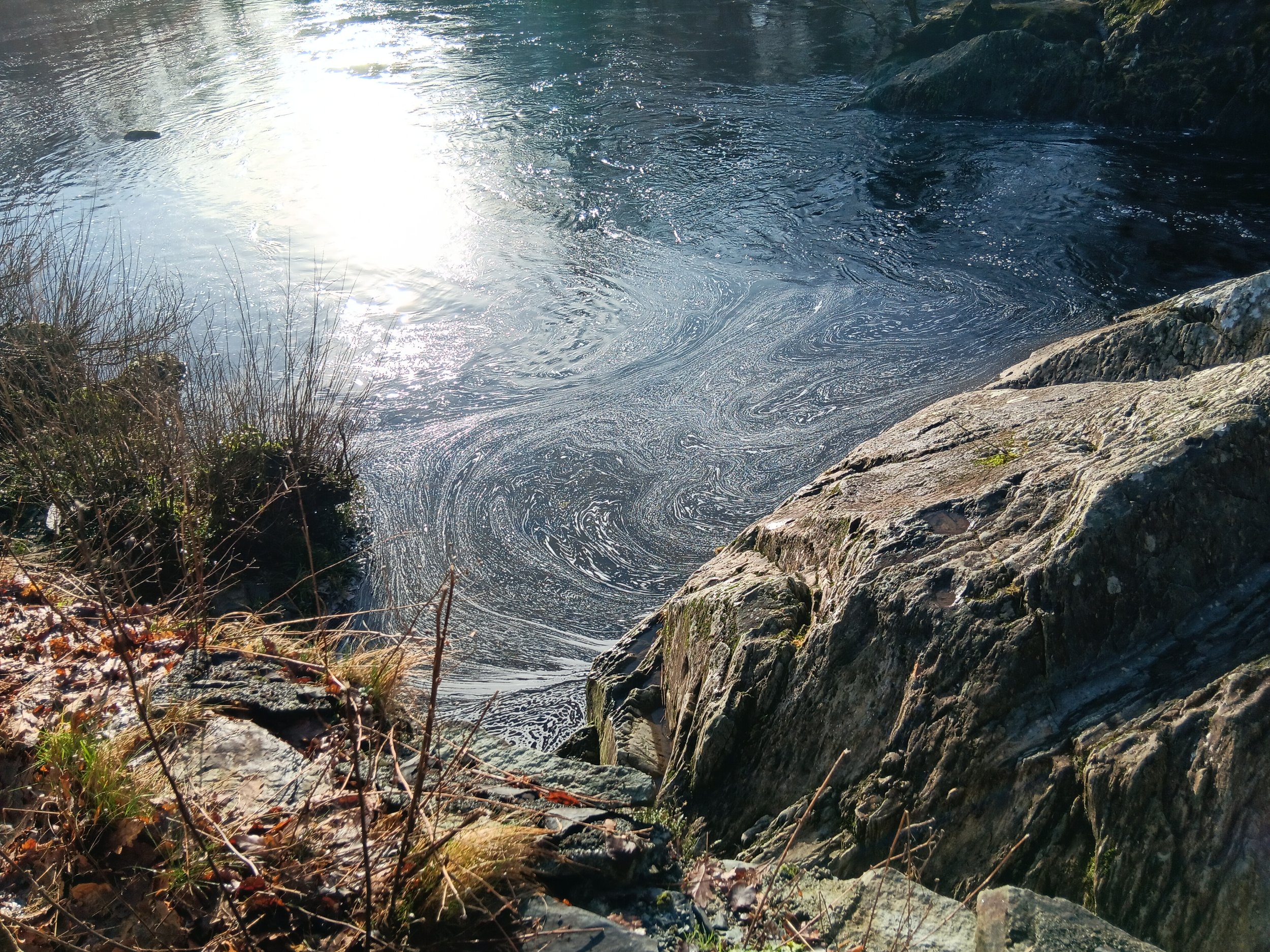
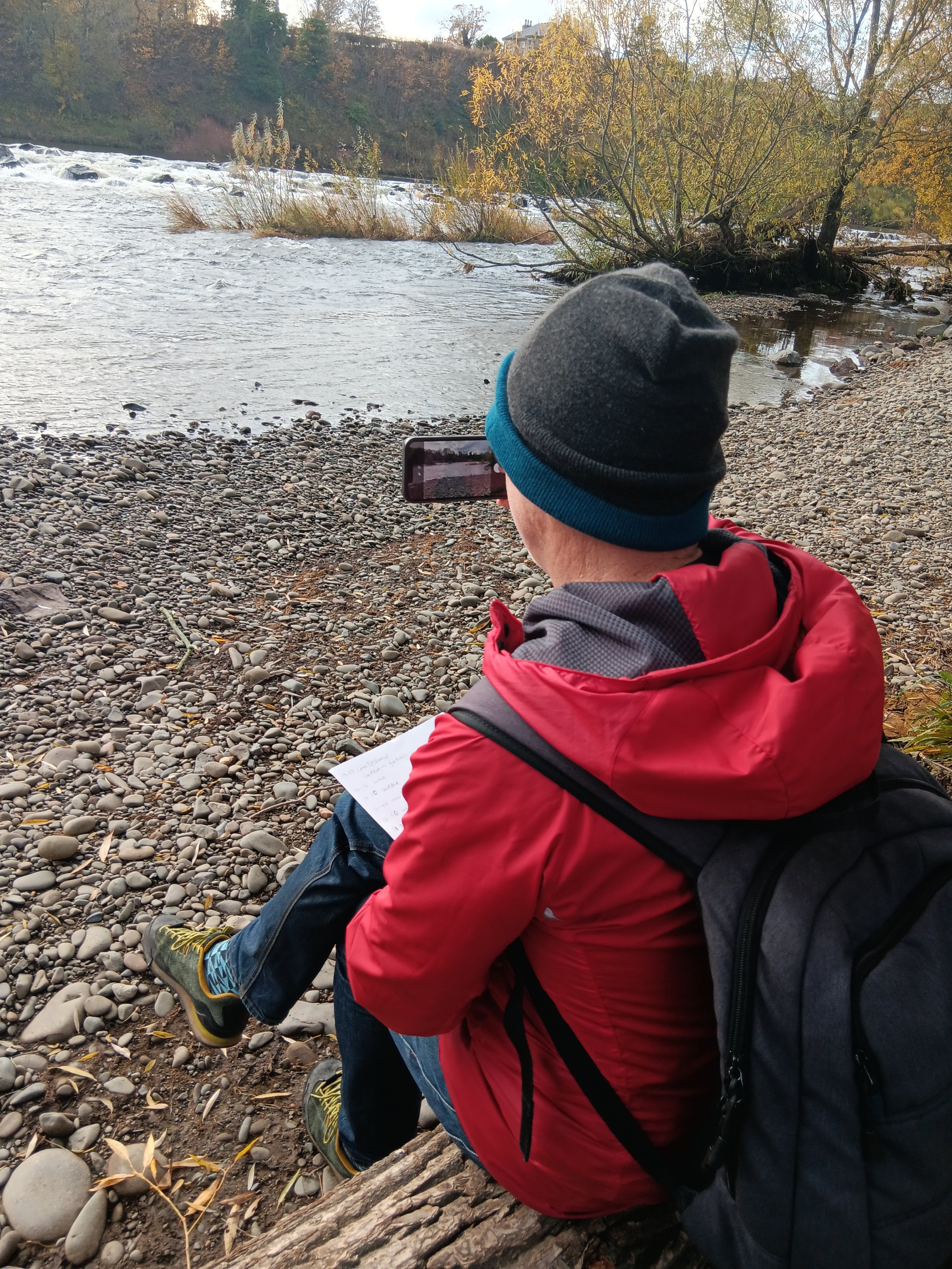
Would you like to creatively document a river, stream or lake in the Conwy Valley, through regular observation and discover how it changes over time and in what ways.
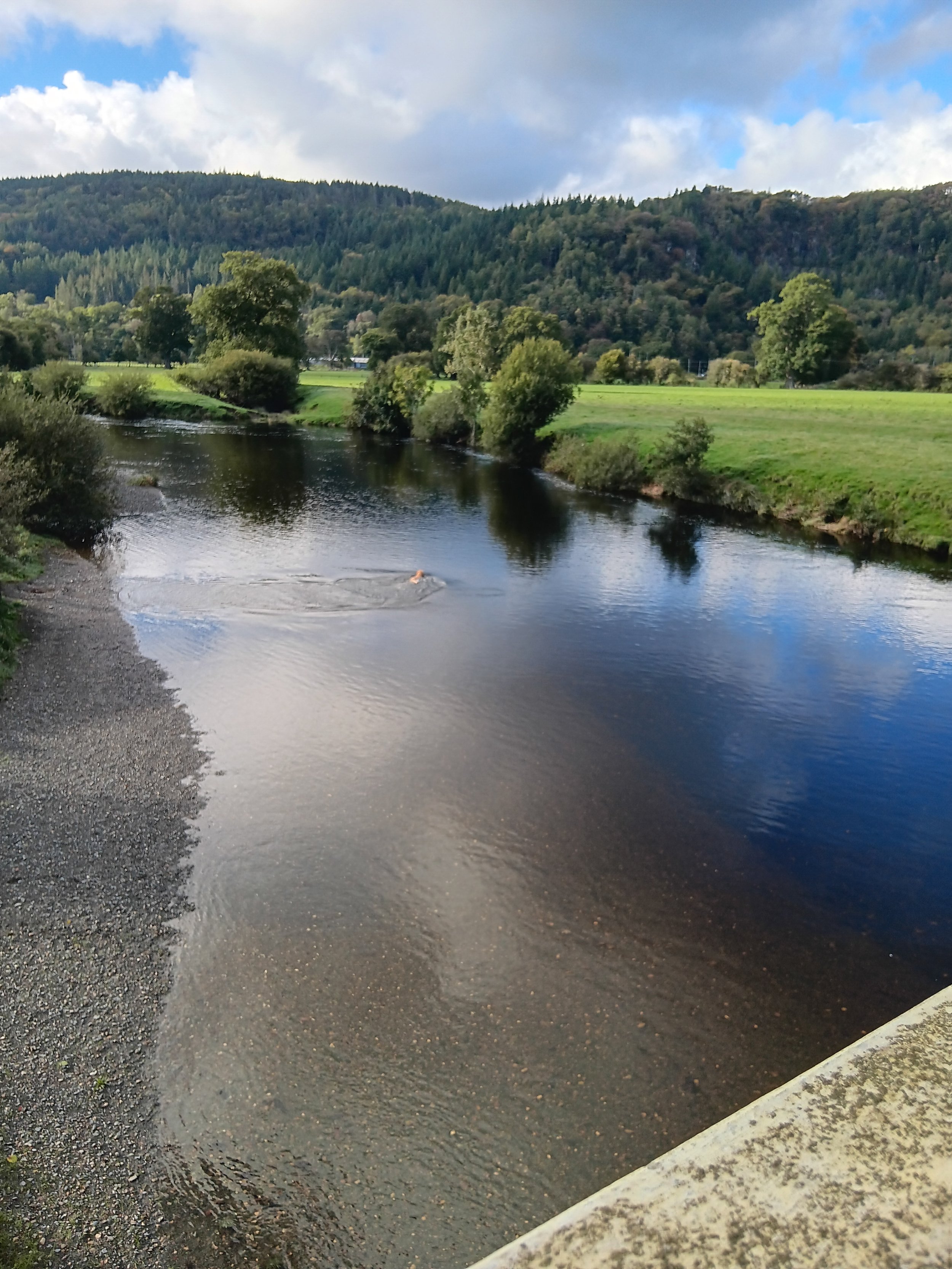
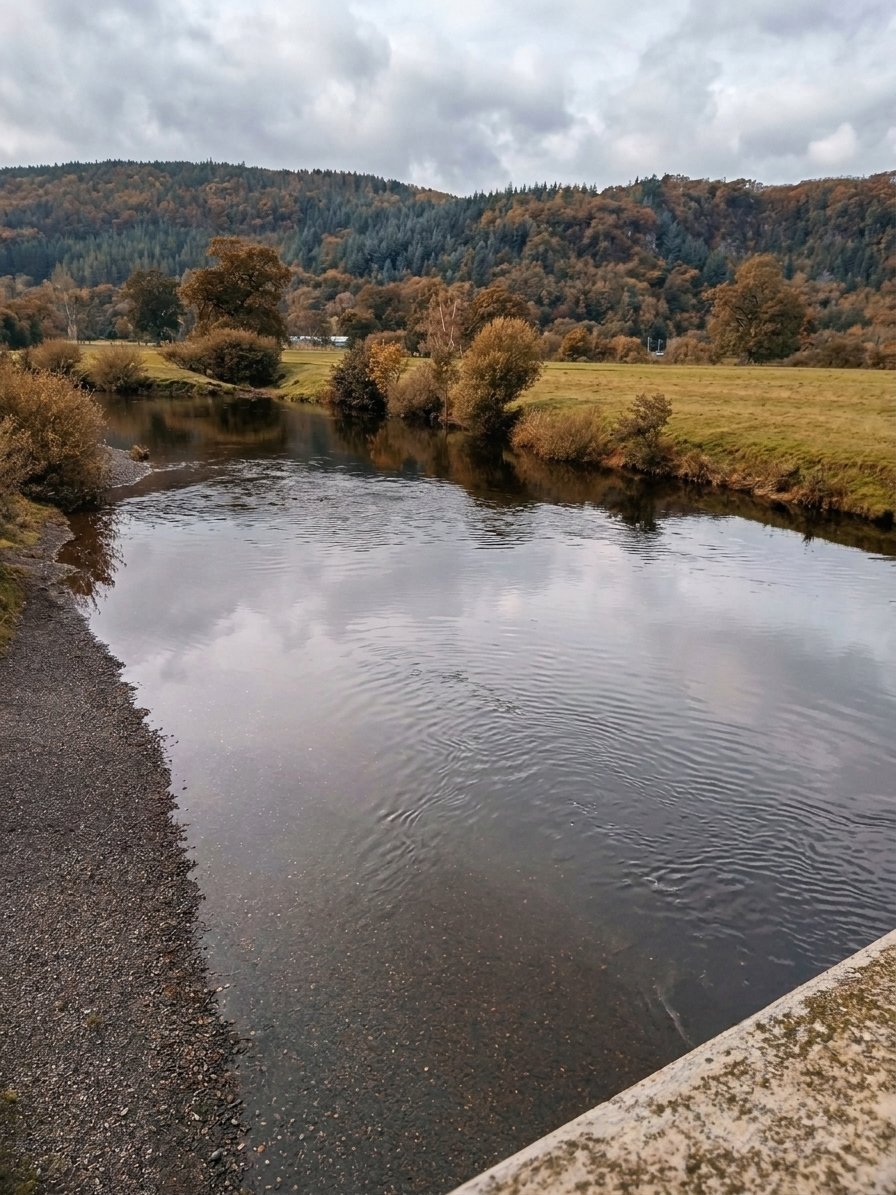
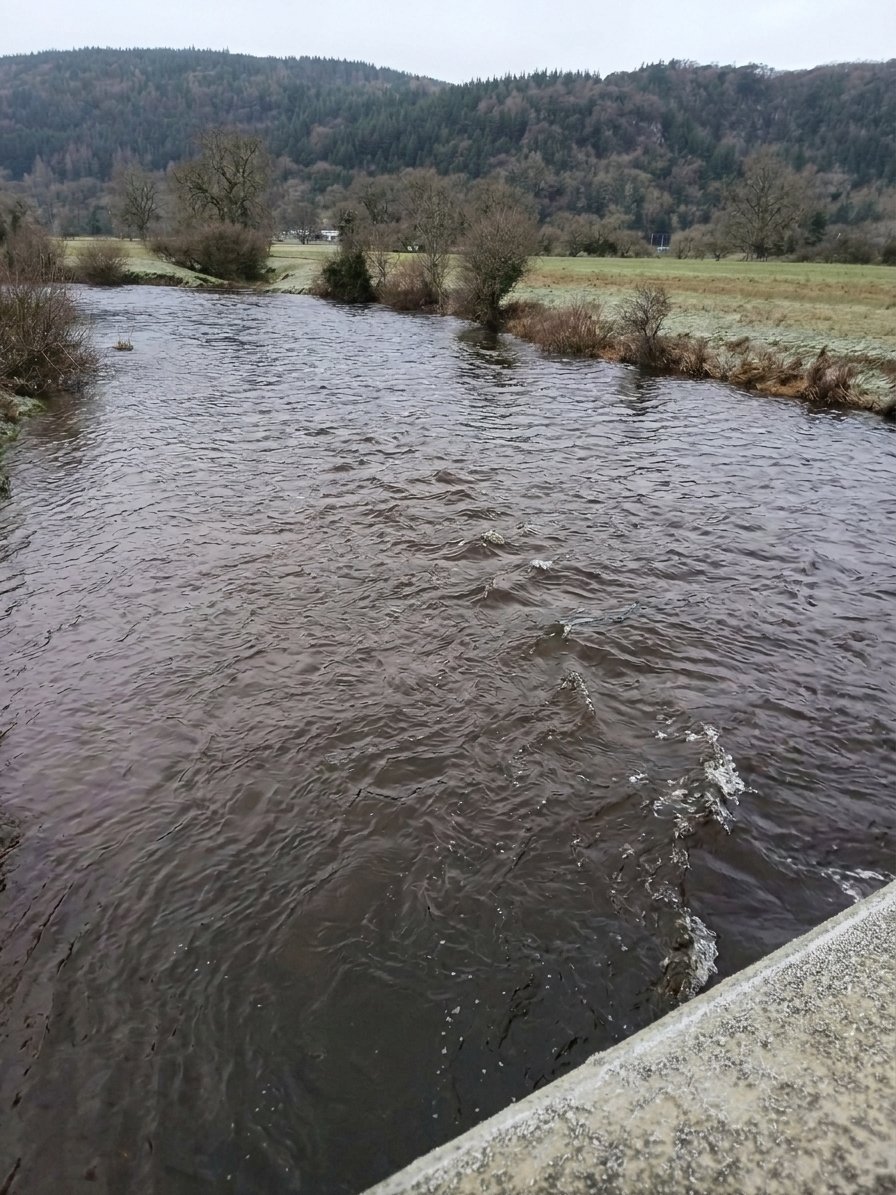
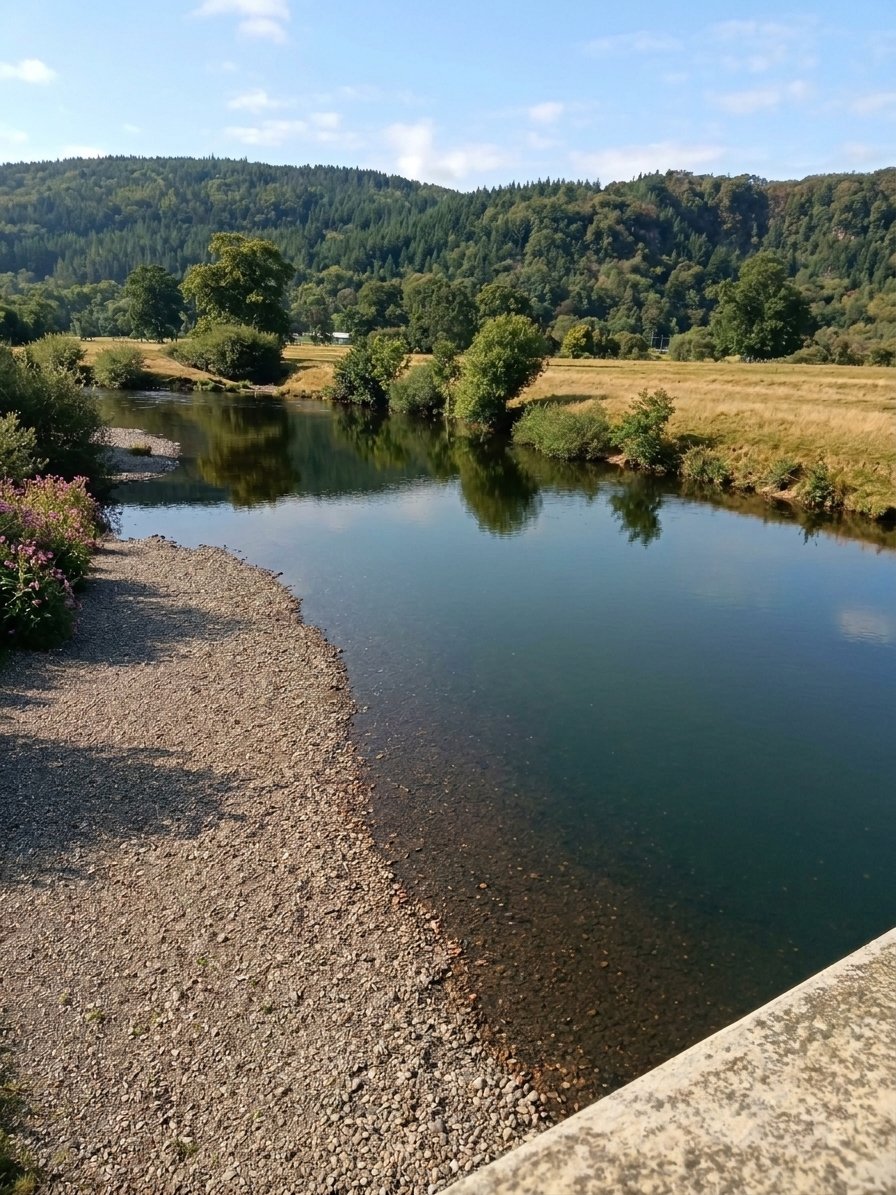
Perhaps by regularly taking a photo from the same location or drawing it, writing about it, recording sound, filming, sewing or some other way to record your observation.
We don’t have fixed plans about what we will do with any observations shared, but we could collate and host them on our website, potentially display them when we organise in-person activities and events. We are purposely flexible about how the observations are shared to be able to respond and adapt to what participants find.
Why are we asking for observations?
Creative and regular observations can be a good way to connect with our local rivers and lakes and also capture valuable qualitative data over time - what something is like, its attributes, or how people experience it, instead of counting it with numbers.
Your observations may result in you having an emotional connection or developing a cultural archive to and about the river or it may result in environmental relevance for example, by taking photos or making recordings from the same spot over months or years creates a visual and audio timeline. This could reveal seasonal shifts, riverbank erosion, changes in water levels, and the effects of extreme weather events. Additionally, regular observers often notice subtle changes before formal monitoring equipment does. Observations might highlight agricultural runoff, algal blooms, invasive plant species, or shifts in local wildlife populations.
If you are interested in more formal data monitoring (citizen science) then also please get in touch to discuss ideas and see if there is interest in other types of monitoring.
How to start
To start making creative observations of your local stream, keep your setup simple and focus on consistency. Choose an easy-to-reach spot and a low-effort routine.
Location
Choose your river location. Maybe somewhere you pass regularly or somewhere you would like to visit habitually. A stretch of water along a path you already walk regularly, such as a local footbridge or riverbank.
Find a fixed landmark: Pick a permanent feature like a large boulder or a gnarled tree trunk to frame your view. This gives you a reliable reference point for comparing water levels and plant growth later on.
Safety first: Avoid steep, muddy banks that become slippery after heavy Conwy Valley rain. Always stand on solid ground well back from fast-flowing floodwater. If you go by yourself, let someone know where you are going and when you are likely to be back.
Rhythm
Tie it to a habit: Link your observation to something you already do, like a Sunday morning walk or walking the dog.
Keep sessions short: Aim for just 5 to 10 minutes per visit. Short, focused bursts prevent the project from feeling like a chore.
Schedule: figure out what works for you – weekly, monthly, quarterly…set a reminder in your calendar
Kit - depending on how you will observe your kit will be different!
Generally pack light: Keep all your supplies in one bag
Record basic context: Always note the date, time, and recent weather alongside your creative work. Knowing whether it rained heavily the night before adds huge value to your observation.
Focus on noticing, not perfection
There’s no right or wrong way of observing and documenting. All ways are useful, however often you’re able to do it. Even if it's a very occasional observation, it is still valuable, so please share.
Please get in touch with katie@dyffryndyfodol.com to ask any questions, discuss ideas and let her know where and how you plan to observe.